
Search


The Turning Thread – Fibre, Breath, and the Spellwork of Spring
Long before cloth warmed the body or marked status within a household, cordage, string and strands of plant and animal fiber, including our own hair, was understood as something far older and far stranger. It was time made visible. It was duration given form. It was continuity that could be held between finger and thumb and drawn steadily into the present from what had already passed and what had not yet arrived. The making of thread stands among the oldest human gestures tha


The Language That Carries Us: Part Two – When the Word Is Spoken
If Part One belongs to language held in the body, this second movement belongs to the moment when breath becomes sound. In oral cultures, speech is never neutral. Words are not simply descriptive. They are acts. They intervene in the world they enter. This is why, within Irish tradition, language was never treated casually, and why silence was understood not as absence, but as restraint and discernment. To speak was to step into relationship and to accept consequence, not on


The Language That Carries Us: Part One – Before the Word
Oral tradition is fragile. Not because it lacks substance, but because it depends on closeness. It survives only where people remain in relationship – to one another, to place, and to those who came before them. Once that proximity is broken, once knowledge is lifted out of the hearth and placed at a distance, something essential thins. The words may remain, but the transmission weakens. In Ireland, much of what is most vital has never been written down. It has lived instead


The Bog Shaman: An Invitation to Intimacy, Wonder, and Place at the home of the Cailleach Bhéarra
On the Beara Peninsula, winter enters quietly through the bog. It always has. This is the land’s first threshold, the place that feels the shift long before the rest of the world takes notice. Winter comes on the scent of damp earth and peat, in the faint metallic clarity of cold air, in the soft resistance beneath your boots as you step onto the dark, springing ground. Before frost etches its fine geometry across stone and heather, the boglands are already turning inward. Mo


Singing the Soul Home: Keening, Wake, and the Old Irish Lament
In the hush between life and death, the Irish keening tradition once rang out with an untamed cry. A sound that split the air, carrying grief into the marrow of those who heard it, and carrying the soul of the departed into the unseen. Keening was not mere weeping. It was ritual, fierce in its necessity, a cry that acknowledged death’s arrival and accompanied the journey beyond. Caoineadh, from caoin meaning to weep or lament, was both song and wail, both word and wordless c


When the Wheel Stands Still: Death, Despair, and the Starry Kin
There comes a moment in the turning of the year when the wheel itself seems to halt, pausing in breathless stillness. Time hangs heavy. Shadows lengthen, and the breath of the land draws in upon itself. In Ireland, this moment stretches between the dark of Samhain and the first trembling light of the Winter Solstice – a season where the dead walk amongst us, and the living seek fire, food, and fellowship to keep despair at bay. The old folk knew these weeks as a haunted pause


Opening the Window: Death Customs and Soul Beliefs in Irish Tradition
In Ireland, death has never been a hidden thing. It moves through the home, the community, and the land as something to be honoured, witnessed, and spoken of. Death is not treated as an abrupt severing, but as a threshold that involves the living and the dead in a shared passage. In rural Ireland, particularly, these thresholds have traditionally been marked through a series of household rituals, communal practices, and seasonal observances that bind the fate of the soul to t


The Womb, The Waters, And The Memory Of The Blood
This is an essay on blood, water, and memory – and the rituals that once wove body and land together from first bleed to last. To tend the womb is to tend a well – a source of life, wisdom, and memory, as the ancients of Ireland knew. In the old stories, every well was tended by women, guardians who kept the waters clear and flowing. A neglected well was a grave matter, for when the guardians were driven away or their rites broken, the waters either dried up or spilled out in

St Brigid, Lá Fhéile Bríde, and Imbolc – Clarifying the Distinction and the Thread Between Them
If you are Irish, as I am, you will know that today, February 1st, is the feast day of St Brigid – Lá Fhéile Bhríde – a fixed-date catholic holy day honouring Ireland’s female patron saint. Imbolc, one of the eight indigenous festivals of the Celtic Wheel of the Year, takes place on February 4th in 2024 when observed astronomically. This article aims to clarify the distinction between these two dates, as well as the deep relationship between them. I also recommend reading th
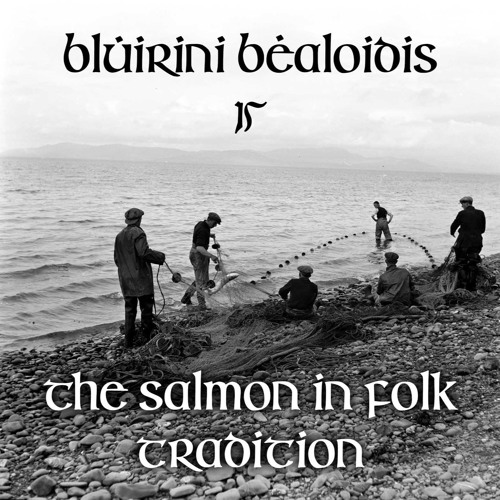
Blúiríní Béaloidis 15 - The Salmon In Folk Tradition
Irish communities have been sustained for centuries by the fruits of our seas, rivers and lakes, from which both physical and economic...
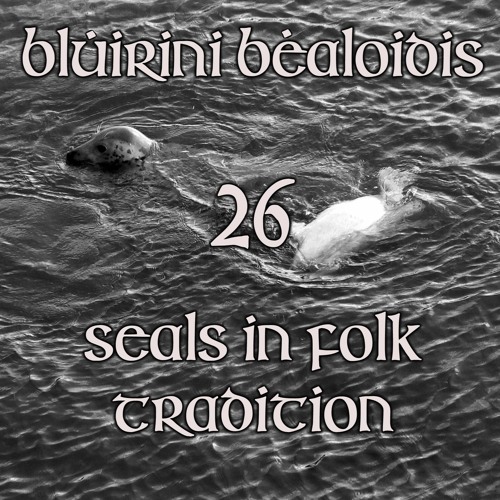
Blúiríní Bealoidis 26 - Seals In Folk Tradition
Seals have been an integral part of coastal life in Ireland for generations, and as such there exists a large body of tradition, belief...
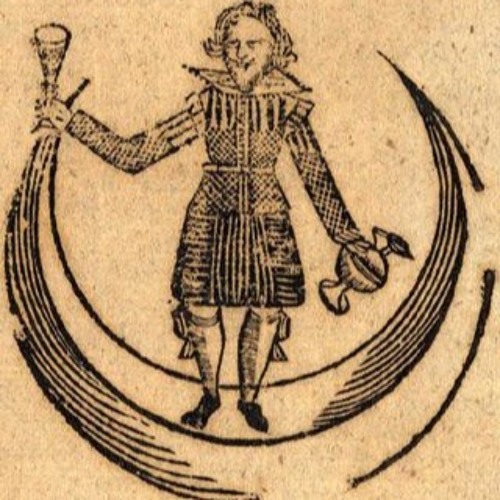
Blúiríní Béaloidis 03 - The Moon In Folk Tradition
Since the earliest times, Man has sought to come to terms with the unknown powers and forces that act upon life and wellbeing. It is...
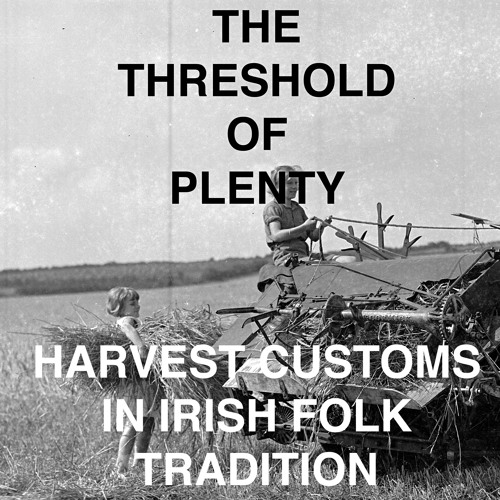
Blúiríní Béaloidis 05: The Threshold Of Plenty - Harvest Customs In Irish Tradition
The arrival of the harvest was for our forebears a time of great celebration, for it marked the point at which the lean months of June...
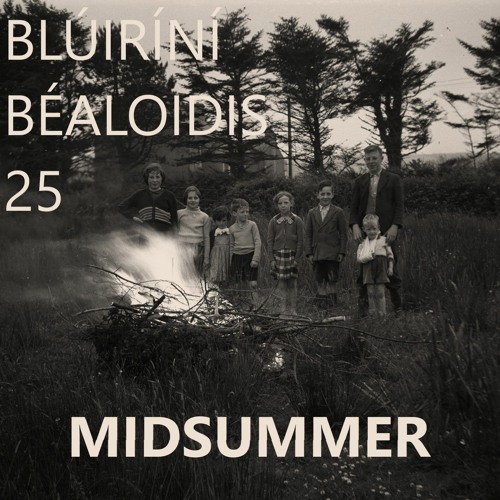
Blúiríní Béaloidis 25 - Midsummer
Midsummer has long been observed as a period of jubilant celebration, with communal gatherings at bonfires and prayers, recitations,...
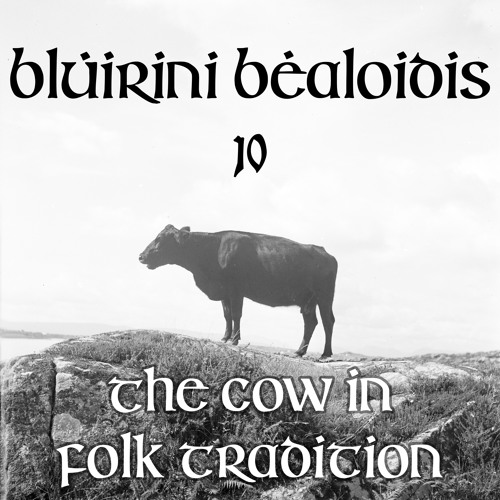
Blúiríní Béaloidis 10 - The Cow In Folk Tradition
Cattle have been central to Irish farming since the Neolithic period, and in early Ireland were even used as a unit of currency. In this...
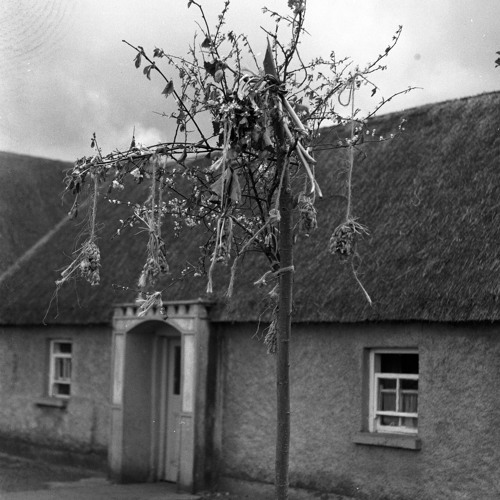
Blúiríní Béaloidis 02 - May Day Folklore
The first of May is marked in Ireland (and across Europe more broadly), as a day on which the summer is welcomed in; where garlands of...


